Underpinning Voter Security in a Bumper Year for Elections
As we step into a year marked by national elections across seven of the world’s ten most populous countries, the democratic process is gaining increasing global attention.
Approximately 40% of the world’s population will participate in national elections, from political landscapes as diverse as Iceland, India, the US, the UK, and North Korea. Amid the anticipation and celebration of democracy, there lies a critical aspect that often faces challenges: authentication.
Authentication is the bedrock of a fair election, instilling trust among the citizens in their government and the democratic process. However, elections and authentication are in a perpetual tension marked by allegations of bogus voting, fake identity cards, counterfeit ballots, and even tampering with voting machines.
In this article, we delve into the realm of authentication technologies, focusing on the importance of secure ID and documents in ensuring the integrity of the voting process.
Voting, authentication, and verification
The method for casting votes varies significantly across the globe. Traditional paper-based systems, embraced by countries like the US and the UK, necessitate physical marking of choices on a ballot.
In such systems, identity verification and document authentication are both crucial to ensure the integrity of each vote. For instance, the Election Commission of Pakistan introduced watermark security features on ballot papers in 2018 to act as a deterrent against falsification.
India, on the other hand, has opted for electronic voting machines (EVMs). Voters directly engage with these machines to record their choices, with prior registration and the presentation of voter identity documents serving as verification measures.
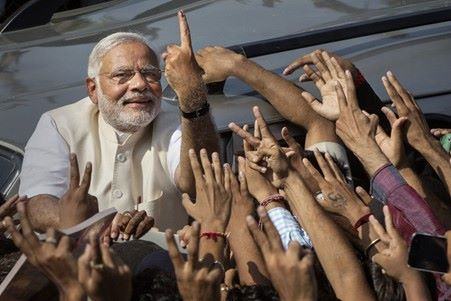
Interestingly, India employs a distinctive method to prevent multiple voting: the use of indelible ink. This ink, marked on the fingers of voters, acts as a visible overt feature, ensuring that individuals cannot cast multiple ballots. In 2019, India’s Election Commission ordered a staggering 2.6 million bottles of indelible ink for the national polls, emphasising its significance in the electoral process.
In the US, some states utilise voting machines, but it’s noteworthy that even in these cases, paper records are maintained. This duality aims to combine the efficiency of electronic systems with the auditable nature of paper, addressing concerns related to hacking and tampering. Voter identity verification in the US often involves presenting an ID document such as a passport or driving licence, with each state making its own rules and regulations.
To add to the complexity of the US electoral process is the prevalence of person-not-present voting. During the pandemic, the US 2020 election saw a record number of voters, in excess of 65.6 million, casting postal votes. Indeed, five states – Colorado, Hawaii, Oregon, Utah and Washington – held elections almost entirely by mail (see IDN August 2021).
Balancing convenience with security
As in so many of the ‘physical versus digital’ debates that are heard across the ID and secure document sector at the moment, electoral systems are trying to find the delicate balance between convenience and security. Paper ballots, despite being considered secure and auditable, are often criticised for their cumbersome nature and potential human errors. In contrast, electronic voting machines offer efficiency but introduce concerns about hacking and cyber threats.
This balance becomes pivotal when considering voter identification, noting the recent introduction of mandatory photo IDs in the UK. This move has sparked debates surrounding accessibility, particularly for marginalised groups. Digital solutions, such as voter authority certificates, aim to streamline the identification process, yet the challenge persists in ensuring these innovations are accessible to all citizens.
Future role for biometric ID
As technology evolves, the future role of biometrics in election processes is worthy of consideration. Biometric systems, leveraging unique human characteristics like fingerprints, facial features, or iris scans, offer a promising avenue for enhancing accuracy and security in voter identification.
Looking ahead, the integration of biometrics with voting machines could revolutionise the electoral landscape. This would involve a two-step process, where voters register their biometric data beforehand, and the voting machine verifies their identity on election day. Such a system could offer advantages in terms of efficiency, accuracy, and fraud prevention.
However, the implementation of biometric systems comes with its own challenges. Data security and privacy concerns must be effectively addressed to ensure the fair and ethical use of these technologies. Additionally, the costs associated with implementing and maintaining biometric systems need careful consideration.
The ‘Stop the Steal’ campaign in the US, which supported the notion that widespread voter identity fraud distorted the outcome of the 2020 presidential election, didn’t succeed in overturning the election result. But it did underscore the importance of continually improving and securing electoral systems.
As nations navigate the changing landscape of election technologies, finding the right balance will be crucial in upholding the principles of democracy and preventing the erosion of public trust in the electoral process.
Subscriber content
Read the full article
Full access to ID & Secure Document News articles, newsletters and archives.