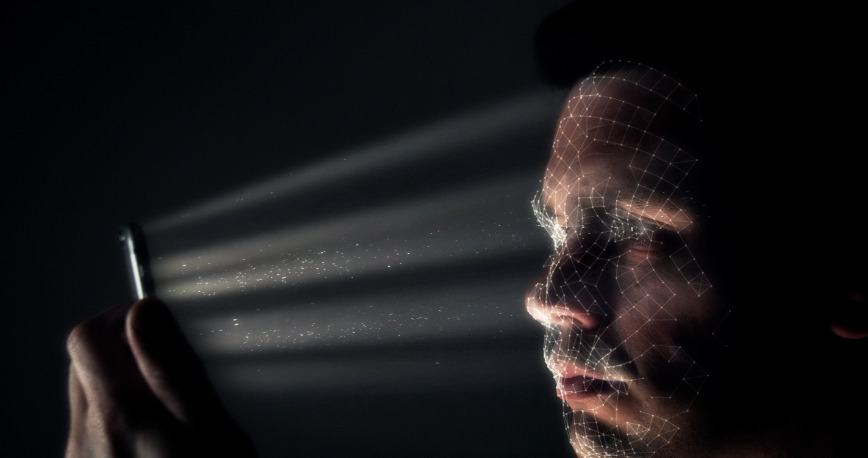
ID R&D Awarded Patent for Continuous Biometric Authentication
In the patent titled ‘System and method for multi-modal continuous biometric authentication for messenger and virtual assistants,’ the method described uses multiple biometrics in the background during chatbot communications to enhance security without complicating the user experience.
Continuous authentication works by assessing user behaviour patterns on an ongoing basis, as opposed to traditional authentication which evaluates the subject at a particular time using a specific test.
In continuous authentication for corporate network access, for instance, scores are continuously assessed based on factors like device posture and location, which help indicate when suspicious activity or attempts at unauthorised access are taking place. If the authentication score doesn’t show a sufficient confidence level, the system requests another type of authentication. You can set different confidence scores according to the type of action or resource involved.
ID R&D, a Mitek company, is a provider of AI-based voice and face biometrics and liveness detection. The timing of the patent award coincides with the launch of ChatGPT, a chatbot prototype that demonstrates dramatic advances in ‘conversational intelligence’. The technology opens the door to a variety of new applications where interactive human-machine collaboration is productive.
‘ID R&D has had a keen eye on how biometrics will be used in the future, and core to our mission is to improve security without compromising the experience,’ commented Alexey Khitrov, CEO and co-founder of ID R&D. ‘We have long anticipated the rise of chatbot usage and are proud to be leading the way in securing this exciting and fast-growing area of conversational AI from fraud.’ One of the areas that ID R&D believes will be fruitful for their new technology is in retail, with consumer spend via chatbots worldwide projected to reach $142 billion in 2024, up from just $2.8 billion in 2019 1.
To explore the ways that AI Chatbots will impact online identity fraud, ID R&D recently teamed up with Biometric Update to host a webinar on the topic of ‘Securing Identity in a World Shared with Virtual Humans’.
In the introduction to the webinar, it was noted that deepfakes have been identified as a looming ID fraud risk for years, but the introduction of ChatGPT suggests that it won’t be long before we are interacting online with machines that are virtually indistinguishable from humans. Chatbots will be domain experts on call, providing technical support and business advice; they will collaborate on projects and take actions on Zoom calls. The deep neural networks behind deepfakes will be used to put a human face on our virtual counterparts. Unfortunately, these technologies will be also used to attempt ‘deep fraud’ and crime.
The webinar went on to explore new use cases for human/machine interaction driven by deep learning and generative AI, how biometrics will be used to mitigate the ID security threat posed by hyper-realistic bots and fakes and how liveness detection might be used to prevent presentation attacks and injection attacks. This type of attack allows an attacker to inject code into a program or query or inject malware onto a computer in order to execute remote commands that can read or modify a database or change data on a web site.
The question for the ID and secure documents community is what impact the combination of continuous authentication and AI-based biometrics will have on our industry?
1- www.juniperresearch.com/press/chatbots-to-facilitate-$142-billion-of-retail
Subscriber content
Read the full article
Full access to ID & Secure Document News articles, newsletters and archives.