
· 3 min read

Visas Continue to Go Digital

Francis Tuffy
Francis Tuffy · Editor
Visas Continue to Go Digital

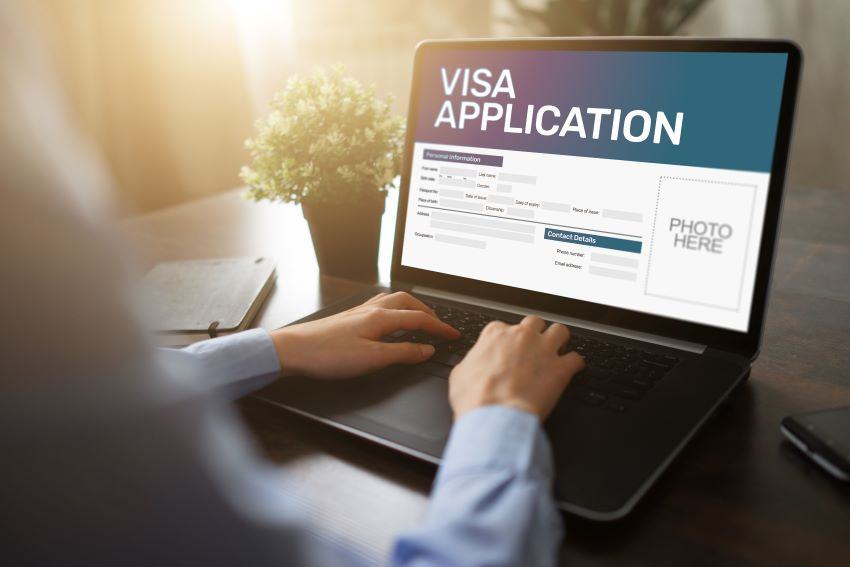
In June of this year, the European Council provisionally agreed on rules to digitise the Schengen visa procedure (see sister publication Holography News™, October 2023). The council has now approved the digitisation of the visa process, signalling a further move away from physical visa stickers.

The trend towards the dematerialisation of the concept of the visa already began a few decades ago. As early as 1986, the US launched a pilot of the Visa Waiver Program (VWP), allowing citizens of certain eligible countries to enter the US for short visits without obtaining a visa.

Some years later, in 2009 the Electronic System for Travel Authorization (ESTA) was introduced as a mandatory online application system for travellers under the VWP. Although, technically, this is a visa waiver, rather than a visa application process, it was an early example of the dematerialisation of the visa. Why would you need to print, issue and apply a visa vignette when you could associate the right of controlled entry into a country digitally?

The VWP and related ESTA were also thought to make the whole system more manageable, using technology to help track travellers going into and then out of the country and offer real-time updates and status tracking for applicants.

Improve international talent recruitment

During 2024, UK Visas and Immigration (UKVI) will be replacing physical immigration documents, such as biometric residence permits (BRPs) and vignettes, with digital immigration status (eVisas). This is part of the goal to make the UK immigration system digital by default. eVisas already exist within the UK immigration system as part of the EU Settlement Scheme but this new move will change how international recruits apply for visas, enter the UK, and evidence their right to work.

Applicants will need to register for a UKVI account to use the View and Prove service and share relevant information securely with third parties, such as employers. Applicants will be able to update personal details, such as current passport information, and share codes with employers to evidence their right to work.

The advantages of eVisas over physical counterparts are seen to be greater convenience, as there is no need to wait for or collect a physical document, and it should be quicker and easier to prove your status at the UK border.

Other areas of international talent selection are also picking up on the benefits that digital identity management can have on recruitment.

Onfido, a global leader in automated identity verification, has announced a partnership with Job&Talent, a marketplace for essential work headquartered in Spain. Together, they will automate remote identity verification for new candidate onboarding, eliminating the need for in-branch visits.

According to Onfido, users sign up by simply taking a photo of their government- issued identity document (ID) with a smartphone or webcam. Onfido Atlas verifies the visual, data and metadata elements, checking that the ID is genuine and not fraudulent.

Schengen digitisation

The proposed new rules for the digital Schengen visa will create a visa application platform. All applications for Schengen visas will be made through this platform, a single website, which will forward them to the relevant national visa systems.

On this platform, visa applicants will be able to introduce all relevant data, upload electronic copies of their travel and supporting documents, and pay their visa fees. They will also be notified of the decisions concerning their visa. In-person appearance at the consulate will only be necessary for first-time applicants, persons whose biometric data are no longer valid and those with a new travel document.

When a person intends to visit several Schengen countries, the platform will automatically determine which country is responsible for examining the application on the basis of the duration of stay. However, the applicant will also have the possibility to indicate whether the application needs to be processed by a specific member state according to the purpose of travel.

Under the proposed new rules, visas will be issued in digital format, as a 2D barcode, cryptographically signed. The intention is that this will reduce security risks related to counterfeit and stolen visa stickers.

The effect on the security printing market of the continuing trend towards digital visas replacing physical vignettes will be developed further at the Optical & Digital Document Security™ 2024 conference.

opticaldigitalsecurity.com

1 - www.consilium.europa.eu/en/press/press-releases/2023/06/13/council-and-european-parliament- agree-on-rules-to-digitalise-the-visa-procedure/

Subscriber content

Read the full article

Full access to ID & Secure Document News articles, newsletters and archives.

Sign Up to ID & Secure Document News Weekly

Receive regular updates on the latest news and articles posted on our website.

Verity

Verity

AI search assistant

Ask me anything from the ID & Secure Document News archives.

free questions remaining