TSA Defends Use of Facial Recognition – and it is Set to Increase
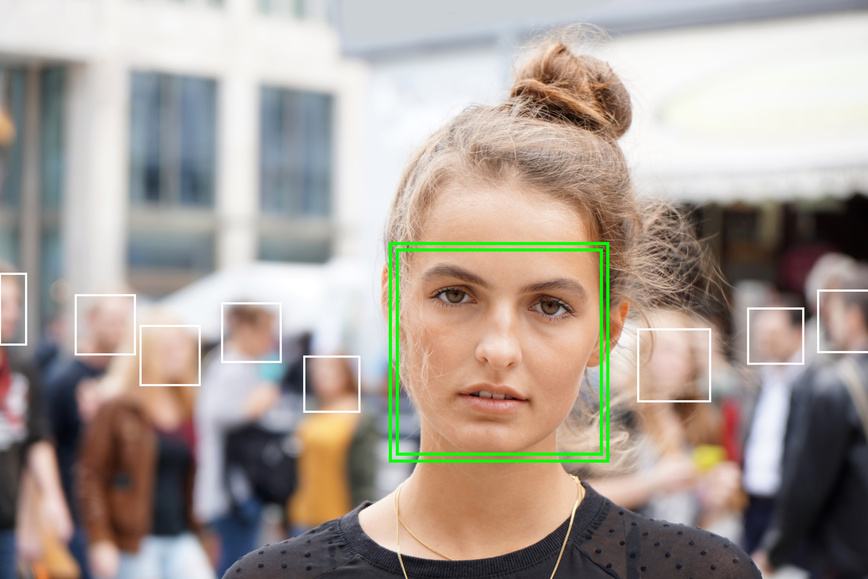
According to a recent article in Extreme Tech 1, the US Transportation Security Administration (TSA) has ramped up its biometric identity verification pilot by installing facial recognition systems in more airports. The update has some travellers, legislators, and civil liberties advocates worried about personal privacy, demographic bias, and the consequences of opting out.
The TSA’s experimental facial recognition stations currently screen travellers at airport security checkpoints at 15 different airports across the US. Travellers who agree to use the system begin by scanning their driving licence or passport, then stand in front of a camera as it takes a photo and compares it with the image printed on the document. The purpose of this comparison is twofold: to verify the traveller’s identity and to ensure the identification they’ve provided is legitimate. Before the traveller can proceed, a TSA officer approves or denies the screening.
Each facial recognition station has a small sign informing travellers they can opt out and a QR code linked to an FAQ page. Five senators have openly opposed the TSA’s use of facial recognition technology since February of this year based on risks to ‘civil liberties and privacy rights.’
A justice fellow at Georgetown University’s Center on Privacy and Technology indicated that algorithmic bias and biometric data security concerns make it difficult for privacy advocates to accept the initiative. Meanwhile, both groups fear that travellers will face increased scrutiny or longer security checkpoint lines by opting out.
Currently, travellers can opt out of facial recognition at all of the 15 airports involved in the pilot, but this won’t always be the case. TSA administrator David Pekoske mentioned at the annual technology entrepreneurship conference SXSW 2023 that there would be a time by which biometric assessment would be required for all travellers.
‘What we’ve found in all of our testing is that biometrics has a higher accuracy rate if you’re using the latest software…the best cameras and the best lighting systems to enable that technology to work,’ Pekoske said. ‘Eventually we will get to the point where we will require biometrics across the board because it is much more effective and efficient.’
Subscriber content
Read the full article
Full access to ID & Secure Document News articles, newsletters and archives.