
ID R&D Publishes White Paper on Bias in Facial Presentation Attack Detection
Biometrics technology provider, ID R&D, has published a paper titled ‘Mitigating Demographic Bias in Facial Presentation Attack Detection 1’ containing results and lessons learned from the world’s first test of a facial liveness algorithm for demographic bias by an independent, accredited biometrics laboratory.
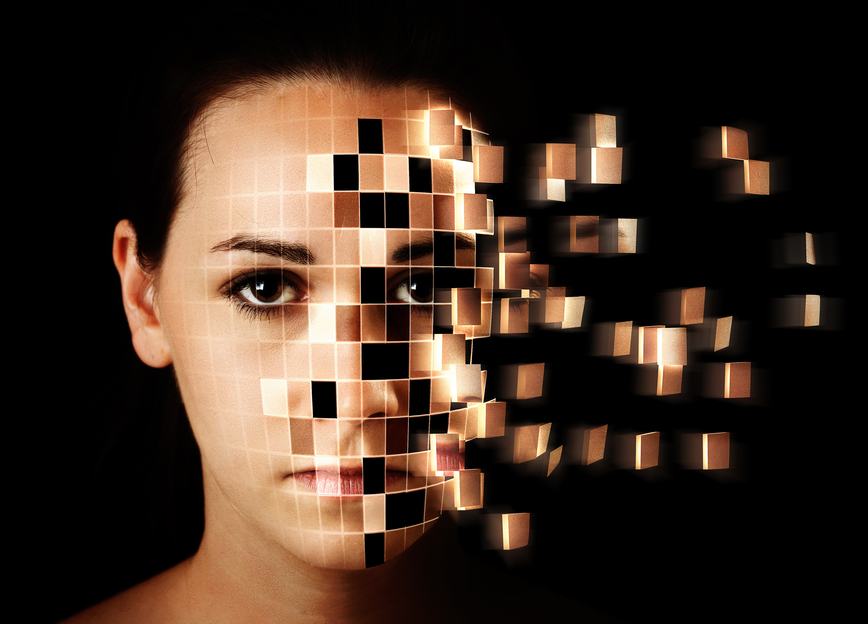
The use of biometrics has become common in personal, commercial, and government identity management applications. According to ID R&D, these systems use artificial intelligence (AI), primarily in the form of machine learning, to recognise individuals based on their unique physical or behavioural characteristics.
However, there has been a concern in the public, media, and academia over the existence of systemic bias in systems that use face biometrics for automated decision making.
With an increasing utilisation of biometrics for identity verification and authentication, the need for consistent accuracy across races, ages, and genders is paramount. Where there is bias, there is the potential for individuals to experience different biometric false match and false non-match error rates based on their appearance and demographics.
For example, an individual of a particular race might be more likely to be incorrectly matched to a criminal suspect as a result of a biometric search. That person might experience more difficulty in using their biometrics to authenticate or be subject to a higher suspicion of a fraud attempt. Best practices can be applied to algorithm development that mitigate demographic bias in support of Responsible AI principles.
Bias is not limited to facial matching. It also applies to AI-driven facial presentation attack detection, which is used to prevent spoofing attacks such as the presentation of printed photos, video replays, and 2D and 3D masks on biometric systems. Collectively, these are called ‘presentation attacks,’ and anti-spoofing countermeasures are referred to as presentation attack detection 2 (PAD).
The ISO standard 30107-3 3 specifies the definition of attacks and methods to assess the performance of PAD solutions. PAD is essential where facial recognition is used for unsupervised processes such as remote onboarding, mobile login, and physical access control.
This is because biometric facial matching systems readily match with pictures and videos of a person, enabling a bad actor to spoof the biometrics, eg. with printed- on-paper or digitally displayed photos. PAD methods that employ signals indicating the absence of an attack as opposed to an attack have been referred to as ‘liveness detection’, and the terms are often used interchangeably.
The paper from ID R&D clarifies the meaning of demographic bias in AI- based facial PAD systems, provides examples of methods AI developers use to remove bias, and shows the results of independent lab testing of ID R&D’s PAD software. It shares performance improvements that were observed as a result of putting Responsible AI in place for products being used in large- scale deployments.
1 - www.idrnd.ai/wp-content/uploads/2022/06/IDR_D_Whitepaper_Mitigating_Demo_ Bias_6_2022.pdf
Subscriber content
Read the full article
Full access to ID & Secure Document News articles, newsletters and archives.