
· 2 min read

New Wave of 'Lookalike' Fraudulent Passports in UK

Francis Tuffy
Francis Tuffy · Editor
New Wave of 'Lookalike' Fraudulent Passports in UK

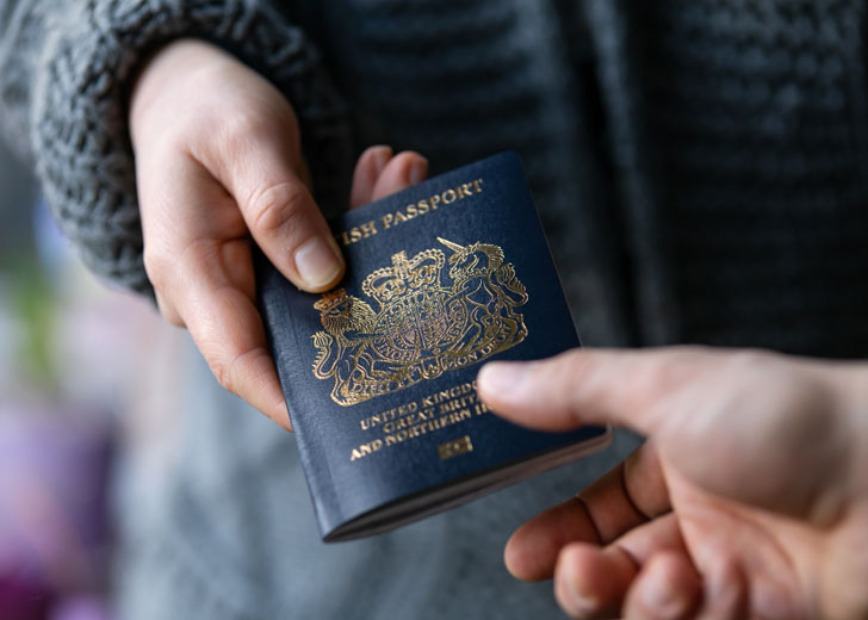
A recent news item on BBC News has reported on the arrest of ten people, in London and Kent, on suspicion of supplying fraudulent passports to more than 100 high-level organised criminals.

It is thought the gang made millions of pounds by identifying ‘lookalikes’, often vulnerable individuals, and persuading them with cash to let them apply for passports in their name but with the photographs of the fugitives substituted.

Jacque Beer, the National Crime Agency (NCA) regional head of investigations, said if the suspects are convicted, it will have ‘dismantled a criminal service that allowed drug and firearm traffickers, suspected murderers, and fugitives to evade detection and operate internationally under false identities.’ Ms Beer said she hoped the case will lead to the ‘strengthening of safeguards against criminal exploitation of the UK passport issuing system’.

Six men and three women believed to be members of the crime group were arrested on suspicion of conspiracy to pervert the course of public justice and making false instruments. The investigation began several years ago when HM Passport Office discovered criminals were using a ‘loophole’ to obtain legitimate passports with fraudulent details.

According to the NCA, the gang are believed to have sourced passports for specific criminal clients who wanted to hide their identity. They would find someone who looked like the client and pay them to apply for a replacement passport. Someone else would be paid to countersign the application.

But when the passport form was sent in, the client's photo would be used instead of the image of the lookalike’ original passport holder. The NCA alleges the gang found people prepared to, in effect, sell their personal details for passport applications in return for payments of £2,000.

Because the passports were not simply forged and therefore appeared legitimate, they were extremely valuable within the criminal underworld. Chris Farrimond, deputy director of operations at the NCA, explained: ‘These were serious criminals, who, for one reason or another, could not make use of their normal passport. Either they were on the run, or they were so involved in criminal business that they wanted to keep their activities under the radar.’

Subscriber content

Read the full article

Full access to ID & Secure Document News articles, newsletters and archives.

Sign Up to ID & Secure Document News Weekly

Receive regular updates on the latest news and articles posted on our website.

Verity

Verity

AI search assistant

Ask me anything from the ID & Secure Document News archives.

free questions remaining